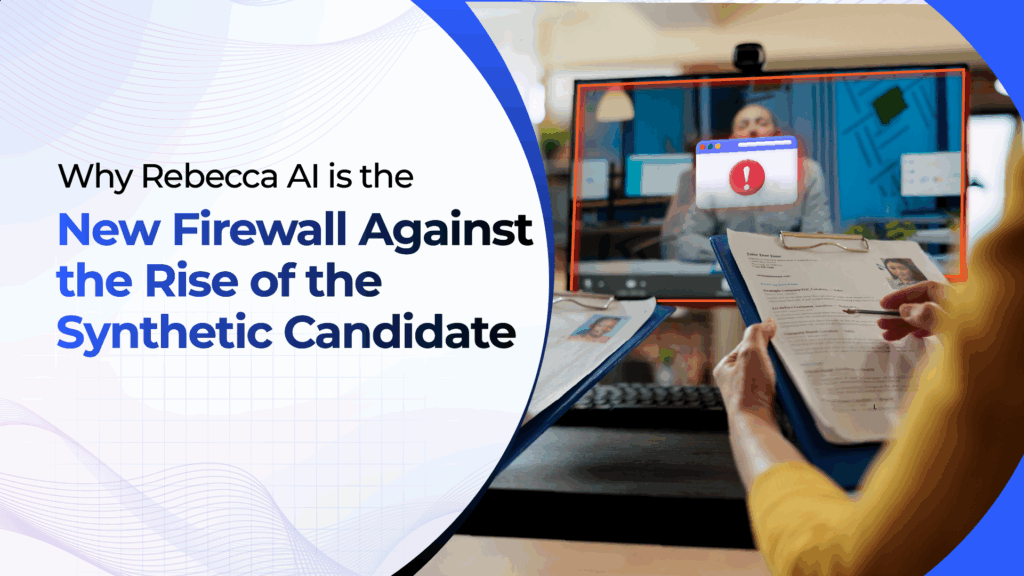


The recruiting world is currently facing a silent, digital identity crisis. Fraudulent candidates using real-time voice cloners or hidden AI prompts during interviews have turned the top-of-funnel into a minefield. Traditional one-way recordings don’t catch these sophisticated tricks anymore.
It’s believed that the industry reached a breaking point where “recording a video” is no longer a valid security check. This is where Rebecca AI, the brainchild of Pete & Gabi enters the conversation. She isn’t just another layer of software. The AI hiring agent is the new barrier between a legitimate hire and an AI-generated ghost.
How does an AI Hiring Assistant Approach Video Interviewing?
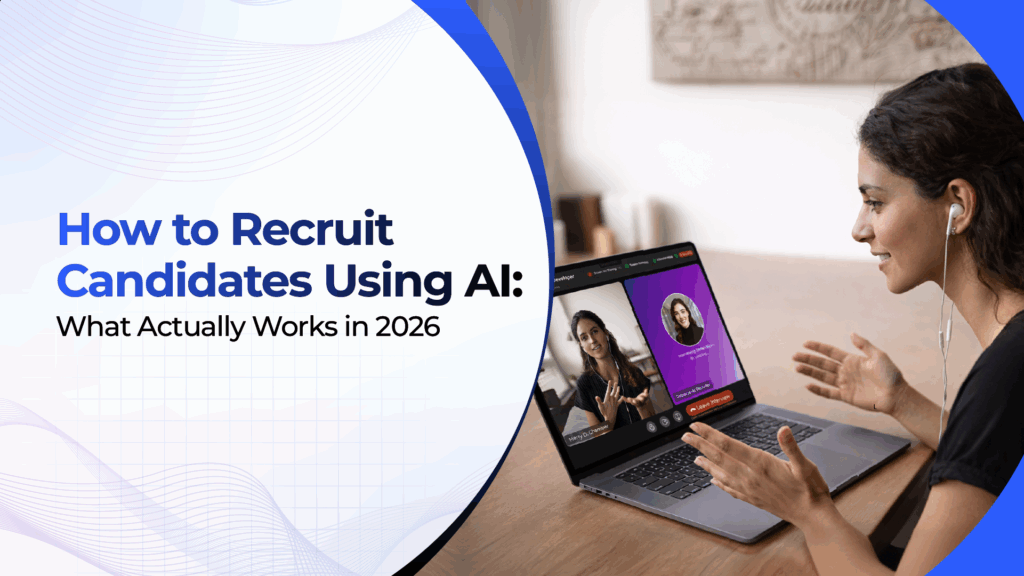
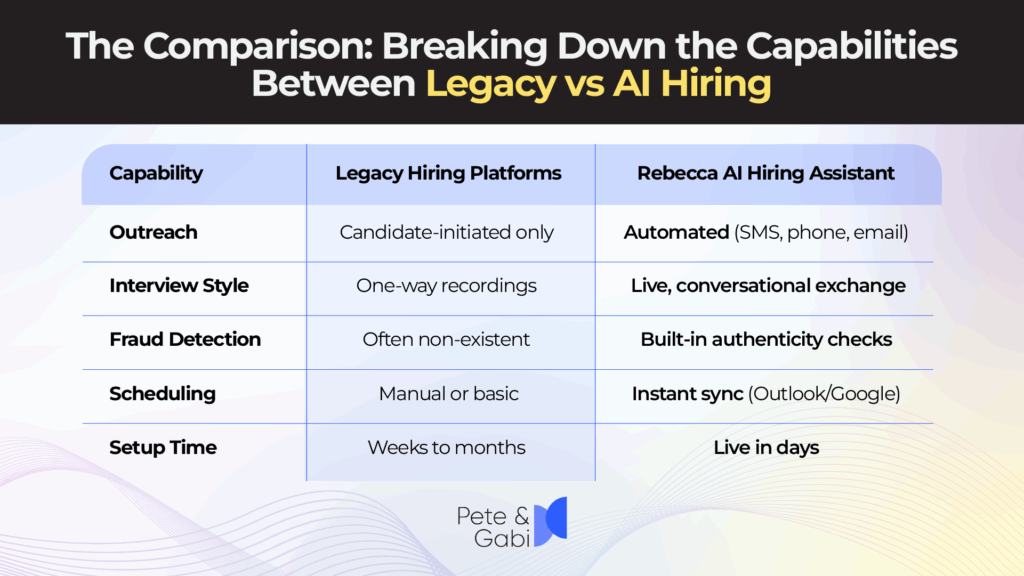
With Rebecca AI, recruiting teams have shifted from robotic recordings to human-like conversations. Most automated screening tools feel like talking to a brick wall. A candidate records a clip, hits submit and hopes a human watches it. Rebecca AI operates differently. She conducts live, interactive exchanges that mimic real human dialogue.
Standard video tools often require months to deploy. Rebecca AI, however, connects to an existing ATS or CRM and goes live in days. The AI hiring assistant handles the outreach, pre-qualifies applicants, and runs the interview. Because she speaks over 16 languages and adapts to her questions based on what a candidate says, the “canned response” strategy stops working.
Why the “Live” Element Matters?
Static questions are easy to game. But when an AI video interviewer listens and asks for a follow-up based on a specific resume detail, cheating becomes much harder. It’s a subtle critique of the current market, but most platforms just don’t have this level of context awareness.
Transparent Pricing: No Procurement Nightmares
One of the biggest frustrations with enterprise hiring tools is the “contact us for a quote” dance. It’s exhausting. Rebecca AI recruiting agent keeps it direct.
- Per-Interview Model: Costs range from $4–$8 for a 30-minute session.
- Predictable Scaling: No hidden implementation fees buried in a 50-page contract.
- Low Latency: With a response time of <600ms, the conversation doesn’t feel laggy or robotic.
For teams managing high volumes, the AI hiring model makes more sense than a massive annual license for a tool that might sit idle for half the year.
How the AI Hiring Workflow Actually Functions
The Rebecca AI dashboard provides a look at the candidate pipeline that most recruiters spend hours building manually.
1. Trigger: When a candidate hits a certain stage in the CRM, Rebecca AI hiring assistant sends a text. The process starts immediately.
2. Live Screen: Rebecca AI recruiting agent handles the conversation, scores the candidate on technical ability and communication, and records a transcript.
3. Hand-off: Recruiters get a scored shortlist. They don’t have to watch hours of footage; they just read the summary and decide who moves to the final round.
Frequently Asked Questions
Can AI hiring assistant truly handle a first-round interview?
First rounds are usually repetitive. Same questions, same criteria. Rebecca AI screening agent takes that burden so humans can focus on the final 20% of the hiring journey, the part where relationship building and culture fit matter.
Is AI hiring safe?
Rebecca AI hiring assistant uses a consent-first flow. There’s 30-day data deletion and SOC2 compliance. It’s built to follow the rules, even as AI legislation keeps changing.
What about the candidates who hate bots?
Some will. That’s the trade-off. But most applicants prefer a fast, 24/7 interactive interview over three weeks for a recruiter to find an open slot on a calendar. It’s about speed.
Does AI hiring agent integrate with Bullhorn or Greenhouse?
Yes. Through APIs and webhooks, the data stays in the system of record so no copy-pasting is required. The repetitive grind of screening is a choice, not a requirement. Rebecca AI just offers a way out.
How does AI recruiting agent handle candidate authenticity without interrupting the interview?
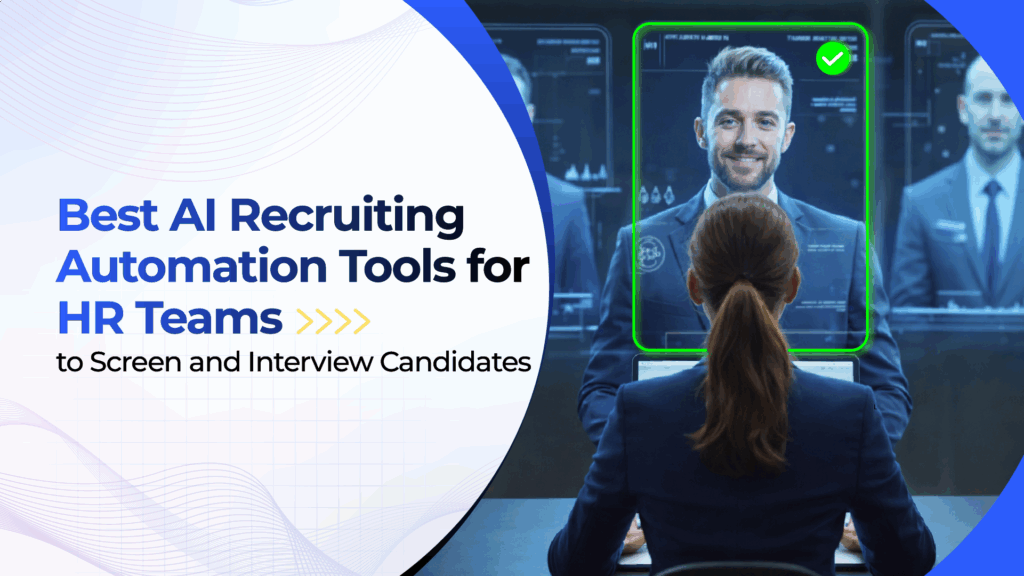
Authenticity is assessed inside the conversation itself. When responses shift tone, lag unnaturally, or feel overly assisted, Rebecca AI screening agent adjusts. She might reframe a question. Or ask for specifics tied to earlier answers.
It’s not foolproof; nothing is. But compared to static recordings, this layered approach appears harder to game. Especially when candidates can’t predict what’s coming next.
Can AI recruiting agent support high-volume hiring without degrading candidate experience?
Scaling usually breaks the experience. However, Rebecca AI hiring assistant tries to hold both. Because interviews are available on demand: no scheduling loops, no waiting; it’s believed candidates move faster through early stages. Some prefer that. Others don’t.
There’s still a trade-off. A live recruiter brings warmth an AI can’t fully replicate. But when roles attract hundreds, sometimes thousands of applicants, consistency starts to matter more than personality in round one.
What kind of roles is AI hiring agent actually effective for?
Not all roles behave the same. And it shows. Rebecca AI hiring assistant tends to work best where first-round interviews are structured: technical screening, role-specific questions, and repeatable evaluation criteria. Think about IT, operations, support roles, and even certain healthcare workflows.
For highly abstract or relationship-driven roles, the value is less obvious. You can screen for baseline competence, for sure. But nuances such as how someone reads a room, negotiates, adapt, that still leans humans. At least for now.
Does an AI screening agent reduce bias in early-stage hiring, or just standardize it?
That depends on how you look at it. On one hand, every candidate gets the same baseline structure: same categories, similar evaluation logic. That consistency can reduce the kind of variability that creeps in when humans are rushed or distracted.
But standardization isn’t neutrality. If the scoring logic or prompts carry blind spots, those don’t disappear; they scale. Rebecca AI helps create a more consistent first pass. Whether that translates to “less bias” likely depends on how carefully the system is configured and reviewed over time.
See Rebecca AI in Action| Schedule a demo