The emergence of automated voice technology into the B2B sales ecosystem took place in the mid-2020s leading revenue teams towards the quick embrace of realistic-sounding voices. The manufacturers developed impressive product displays, made using models of voice pitch modulation, voice breaks, regional accent changes, as well as motivation analysis. The message for revenue executives was simple: create an AI voice that sounds like a real SDR, and sales will occur.
But the situation has changed greatly, and the new impact of technology is starting to be felt by business representatives from 2027’s perspective. The executive buyers now obviously know artificial voice usage. In addition, it is necessary to highlight that the guidance of corporate lawyers, CISO officials, and privacy regulators have never been so vital.
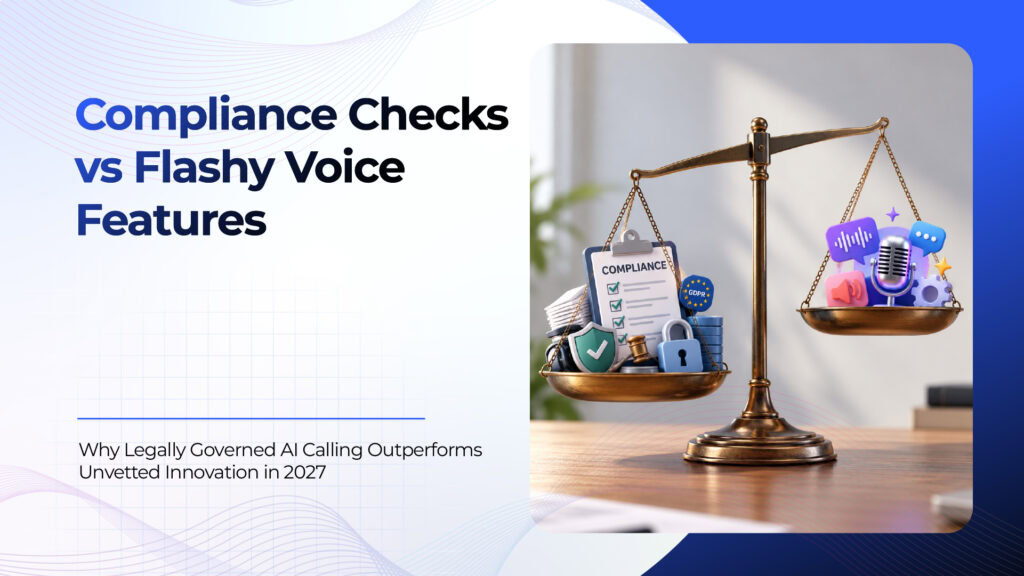
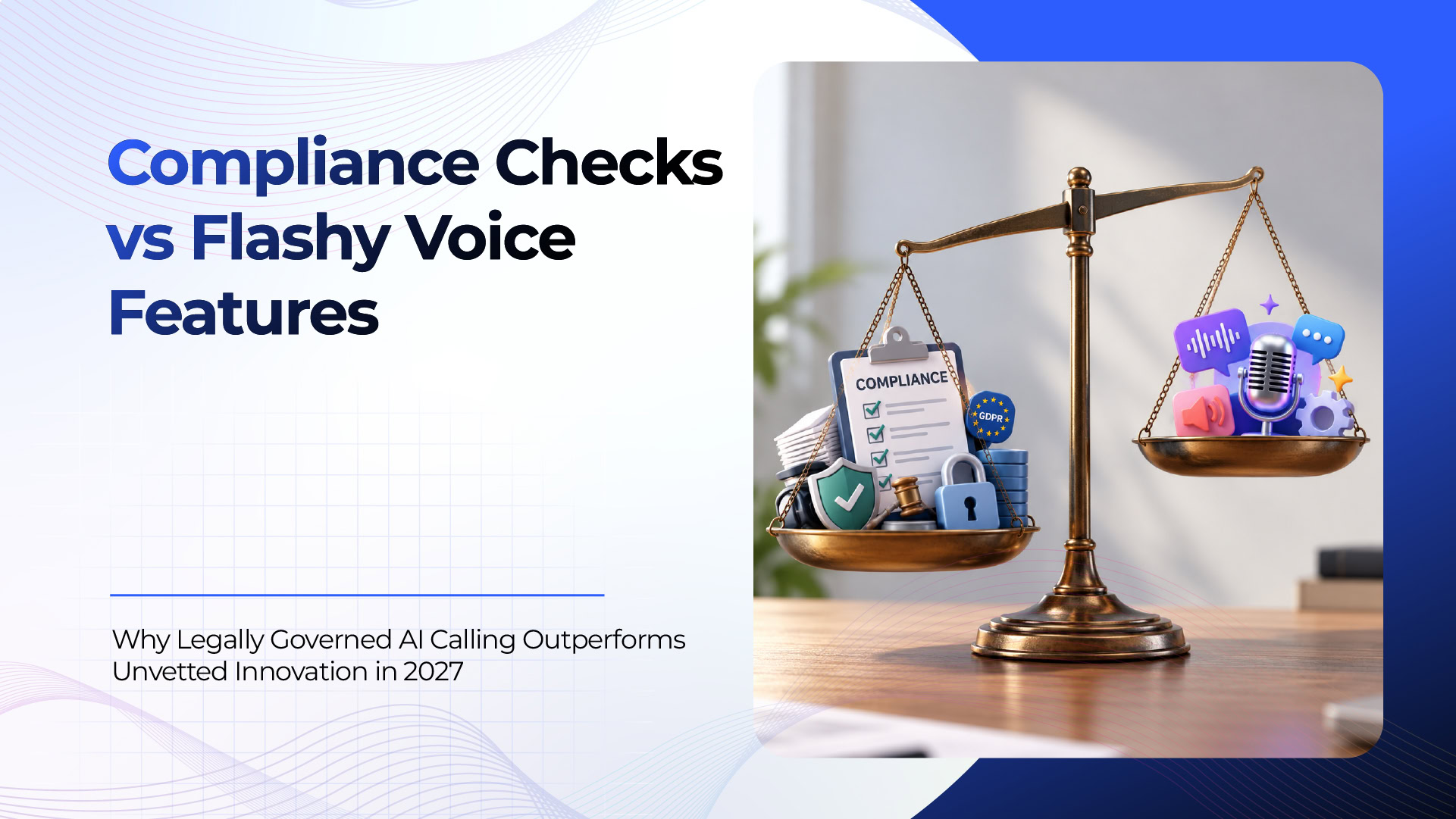
Today, the unnatural sounding of voices is no longer a viable solution for enterprise sales. Compliance with law regulations and data governance are the major drivers for making deals in the B2B world. The efficiency of voice-based systems which have not passed testing is questionable and may lead companies to problems with fines and resistance from clients on the market.
Understanding how to address AI service agent trust and prospect resistance has evolved from operational tactical detail into an essential strategic framework for modern GTM leaders.
The Shift in Sales Technology Priorities
Initially, the trends in the AI field concentrated on creating innovative solutions, not considering the issues of legal compliance. The first companies which adopted AI technology learned a valuable lesson. It doesn’t matter if an AI agent provides flawless regional speaking skills. If the automation is illegal and doesn’t collect evidence for phone conversation recording, it may be a liability.
By 2027, corporate procurement specialists started to use very strict security filters. All sorts of compliance checks and security measures have moved to the top positions in the ranking of what companies are looking for when buying software. Today, any automatic sales platform that does not have security functions cannot be considered reliable.
To build an effective, high-volume sales system, companies should verify trust and compliance infrastructure that enables them to carry out secure outbound and inbound communications. Companies such as the Olivia AI Calling Agent emphasize using AI governance as primary data protection methodology and not just the voice novelty aspect to ensure continual revenues for its customers.
Deep Dive: 5 Crucial Compliance Checks
1. Consent Validation & TCPA Compliance
Prior to any call made by an automated dialing tool, the legal permit has to be confirmed. It must be noted that a fancy dialing mechanism isn’t enough for the company to be safeguarded against breaches of the Telecommunications Consumer Protection Act, which may result in a fine for each violation. The enterprise system for compliance checks leads information against the lists of people who have opted out of being called and checks if a person has given permission to be contacted and whether a local time of day regulations are observed.
2. Real-Time Edge PII Redaction
In discovery phone calls prospects typically share personal identification data, payment information, or networking. Systems that don’t include privacy processing of data at the edge only collect audio into databases in the cloud or relay unfiltered text in big language models. Compliance systems do the inline processing of personal identification data at the edge of the transaction.
3. Strict Qualification Boundaries
An AI sales representative that fabricates its own pricing, guarantees unapproved product features, or misrepresents the terms of agreement exposes the business to immediate legal issues. As sophisticated voice solutions abandon the predictability of regular conversation for smooth and flexible dialogue, the result is a lack of verification of the verbal agreements made. The use of strong qualification processes provided by specialized AI sales qualification representatives ensures that all the company’s communication with its prospects remains within the limits of legality, technology, and pricing.
4. Instant Opt-Out Synchronization
Customers do not usually use more formal expressions to indicate their intention not to receive calls. Instead, they can say “take me off your list,” “don’t call me here,” or “I’m not the right person to be contacted; get me off your list.” As a result, modern voice processes often miss some important messages and thus call people again illegally.
5. Dynamic Multi-Jurisdictional Disclosures
Laws for wiretapping and audio recording differ widely in various parts of the globe. While some regions only require one party to consent to the recording of audio, others require all parties involved to consent. In today’s world, advances in enterprise-grade AI engines eliminate regulatory questions and issues related to call recording since they analyze prospect location using geographic data, area codes, and IP metadata before initiating a call. In addition, AI technologies make sure to trigger a suitable disclosure that complies with local laws without interrupting the flow of the conversation.

Deep Dive: 5 Overhyped Flashy Voice Features
1. Voice Cloning & Pitch Matching
Using a customized voice profile or trying to clone the voice of a successful human being only has an aesthetic purpose. Yet voice cloning fails to ensure that contact has provided consent to the conversation thus violating the data privacy principles.
2. Real-Time Emotion Analysis
Dynamic personality detection technology attempts to measure the tone of the caller’s voice and the speed of their speech to alter the AI’s voice based on the emotion expressed by the caller. However, due to mistranslations of simple emotional indicators, false signals are sent to the AI leading to awkward changes in tone and reducing credibility and trustworthiness of the agent.
3. Dynamic Regional Accent Switching
Using the specific accent depending on the geographical location was regarded as a good practice in terms of establishing a good connection with people. However, in 2027, modern clients can sense any signs of accent deformation and thus exhibit distrust and be reluctant in talking on the phone.
4. Unvetted Script Optimization
Generative script optimization makes it possible for an AI agent to change its script in the course of a conversation making it perfectly engaging for the user. Unfortunately, it is equivalent to enabling the AI to say whatever it wants in the course of conversation.
5. Artificial Filler Phrase Insertion
The addition of human-like interruptions such as “um” or “uh” was viewed as a means of giving the impression that prospects are communicating with a human salesperson.
How to Implement Compliance Across AI Outreach
To deploy compliant AI communication, organizations need to implement processes, beginning with initial contact, and ensuring compliance in subsequent interactions.
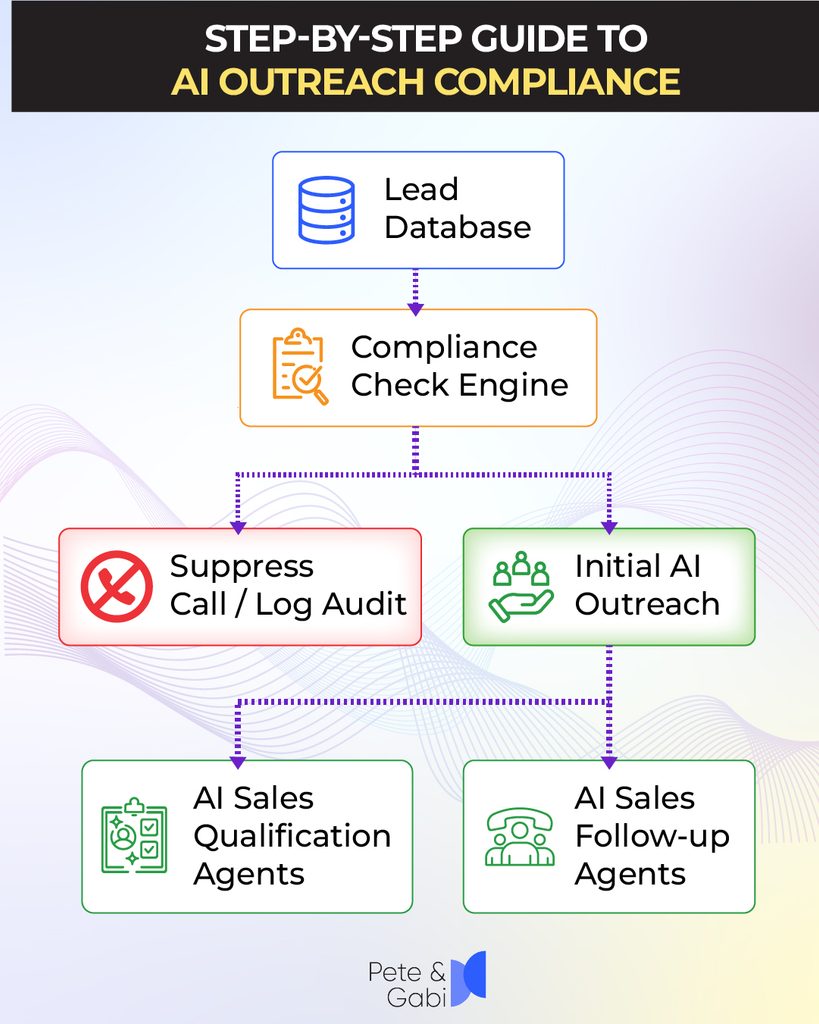
Sales teams that create automated calling processes have standard operating procedures for how to send calls using Olivia AI calling agent within the particular organization.
The need for following up with qualified leads is equally important. After implementing structured AI sales follow-up agents, organizations can continue to follow up on their customer base.
Overcoming Prospect Resistance Through Ethical Transparency
The adversities buyers face automated outreach in the B2B sales landscape of 2027 can hardly be measured. The use of artificial fillers or untested conversation pitfalls is damaging to companies. New-age or modern revenue teams are beginning to win by making a paradigm shift from using indecipherable novelties to being radically transparent and legally correct.
- Upfront Identity Disclosure: Mentioning that a caller is an AI assistant takes away any chance of deceiving the prospect and gives the company instant credibility.
- Immediate Value Framing: Quickly switching from disclosing your identity to the meaningful conversation with the client saves time for the client and helps to avoid hang-ups.
- Frictionless Opt-Out Execution: Respecting the opting out process at the earliest stage builds long-term trust in the brand, thus maintaining a positive attitude toward the company even among the prospects who will never purchase anything.
Using compliance as the focus instead of silliness helps big enterprise companies to create and support a scalable sales process that safeguards the company’s reputation while developing qualified sales pipelines.
Frequently Asked Questions (FAQs)
Q1: Why do compliance checks outperform flashy voice features in 2027 sales?
Even though the voice features that seem ultra-realistic may first appeal to clients, by 2027 they will start being preoccupied about security, compliance, and risks. Agents who haven’t been trained in the encrypted voice functional capabilities may get into serious troubles regarding TCPA violations and data leaks, and utilizing appropriate safety measures will enable businesses to keep their reputation and engage in contracts for a long time.
Q2: How do AI sales qualification agents maintain compliance during live calls?
The dedicated AI sales qualification agents work within the limits of precast instructions and the system of checked information. This technical arrangement does not allow the agent to assert inaccurate information about products, speculate on the prices, or exceed the concerned authority in the process of discovering useful information from the potential customer.

Q3: What is the most effective way to eliminate prospect resistance during automated outreach?
To avoid the target audience rejecting the agent’s offer, the agent has to be completely open and provide immediate value for the customer. The above-mentioned strategies will allow revenue teams to open up the opportunities of forming trustworthy relationships with customers.
Q4: How does AI calling agent handle complex opt-out requests during calling campaigns?
AI calling employs its understanding of natural language to determine if an individual wants to opt-out of a call irrespective of how the message is put across. The moment the agent detects such information, it confirms the action taken by the caller and terminates the call with politeness. Lastly, it syncs the information with global suppression lists to make sure that there are no future calls made to that number.
Q5: What operational steps are required to launch a compliant AI calling campaign?
Making a compliant campaign begins by verifying consent databases, using DNC scrubbing software; it is essential to check all the time zones, and write backs are in order.
Q6: How do automated follow-up agents handle ongoing compliance across sales cycles?
After having confirmed that the recipient’s status has been checked, Olivia’s AI sales follow up agents conduct follow up tasks ensuring that any secondary procedure is started only after the consideration of consent status, EMI communication windows, and historical information about opting out.